


Plan Before You Start

A responsible session starts before the first bet or game round. If the user sets limits after losing money, the decision may already be affected by emotion. That is why limits should be decided earlier, when the person is calm.
The user should know how much time and money can be used without harming daily life. This amount should not touch rent, food, bills, education costs, travel money, medical needs or family responsibilities. Gambling money should come only from a separate entertainment budget.
A simple plan can include:
- How much money can be spent.
- How long the session can last.
- What time the session must end.
- What action will stop the session.
- Whether another session is allowed later that day.
- What to do if the limit is reached early.
| Planning point | Safer question to ask | Useful action |
| Money | Can I lose this amount without stress? | Set a fixed limit before play |
| Time | How long can I play today? | Set a timer before starting |
| Mood | Am I calm enough to make decisions? | Do not play when angry or anxious |
| Purpose | Am I playing for entertainment? | Stop if the goal is to recover money |
| Exit rule | What makes me stop? | Write the stop point clearly |
A limit should not change during the session. If the user says “just one more deposit” after reaching the limit, the plan has already failed.
Money Limits and Loss Control
A money limit should be an amount the user can lose without affecting normal life. It should not include borrowed money, salary needed for bills or funds kept for family needs. In India, where many users manage shared household budgets, this point is important. Gambling should never reduce money for rent, school fees, groceries, transport or medical costs.
Loss control means accepting the limit as final. When the planned amount is gone, the session ends. Trying to recover losses usually increases risk. A person may raise stakes, play faster and ignore earlier decisions.
Healthy money control can look like this:
- Decide the session budget before login.
- Keep gambling money separate from household money.
- Do not use borrowed funds.
- Do not deposit again after the limit is reached.
- Do not use gambling to solve a debt problem.
- Stop if the amount spent feels uncomfortable.
| Situation | Responsible action | Risk if ignored |
| Limit is reached | Stop for the day | Chasing losses may begin |
| A loss feels frustrating | Take a break | Emotional betting can increase |
| Salary money is involved | Do not play | Bills and family needs may suffer |
| Borrowed money is considered | Stop immediately | Debt risk increases |
| User wants to recover losses | End the session | Control becomes weaker |
A responsible user does not measure success by winning back losses. Control is the main result.
Time Limits and Session Breaks
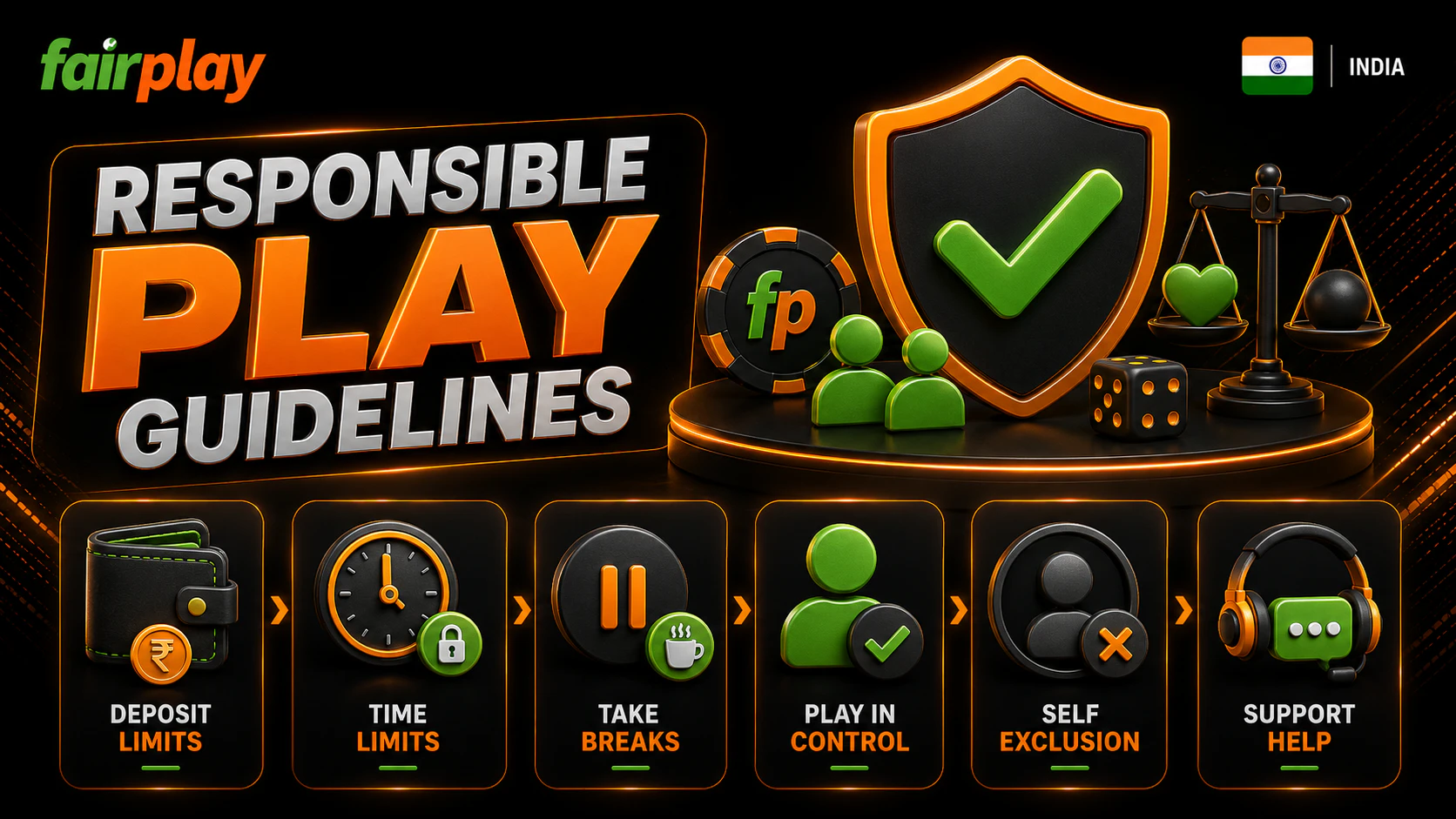
Time can disappear quickly during online gambling. A short session can become an hour without the user noticing. Mobile access makes this easier because the screen is always nearby.
A time limit should be fixed before play starts. The user can set a phone alarm, use a timer or write down the end time. The session should not continue only because the user is close to winning, close to recovering a loss or waiting for a better moment.
Breaks are useful because they slow the pace. After several rounds or bets, the user may start reacting instead of thinking. A short pause helps the person notice fatigue, irritation or pressure.
Practical time control steps include:
- Set a timer before the first round.
- Decide the end time in advance.
- Take a break after a fixed period.
- Avoid gambling late at night.
- Do not play when tired.
- Stop if irritation appears.
- Leave the screen after the session ends.
Regular breaks help the user review decisions calmly. They also reduce the chance of automatic play, where the person keeps tapping without thinking.
Emotional Check-In
Mood matters. Gambling while stressed, angry, anxious or under financial pressure can increase risky behavior. A person may try to escape a problem, distract from bad news or recover money quickly. This can make the session harder to control.
An emotional check in should happen before and after the session. It does not need to be complex. The user can ask: Why do I want to play now? Am I calm? Am I trying to fix a loss or avoid a problem?
| Check in moment | Question | Warning answer |
| Before play | Why do I want to play? | To recover money |
| Before deposit | Can I lose this amount calmly? | No, I need it back |
| During play | Am I still following my limit? | I already changed it |
| After loss | What do I want to do now? | Deposit again quickly |
| After session | How do I feel? | Angry, guilty or restless |
If the warning answers appear often, the user should stop and take a longer break. If gambling becomes linked with stress relief or financial pressure, support may be needed.
Keep a Personal Play Record
A personal play record helps the user see patterns that are hard to notice in the moment. It can be kept in a notebook, phone note or spreadsheet. The record should be simple enough to use every time.
Useful fields include date, session length, amount spent, result, mood, reason for starting and reason for stopping. The goal is not to judge the user. The goal is to see what happens over time.
| Record field | What to write | Why it helps |
| Date | Day of the session | Shows weekly patterns |
| Duration | Start and end time | Reveals long sessions |
| Amount spent | Total used | Shows real cost |
| Result | Win, loss or no change | Gives clear records |
| Mood before | Calm, bored, stressed | Shows triggers |
| Mood after | Relaxed, angry, regretful | Shows emotional impact |
| Stop reason | Limit, tiredness, frustration | Shows control points |
After two or three weeks, the user may notice repeated triggers. For example, sessions may happen after work stress, after arguments or late at night. If limits are often broken in the same situation, that situation needs extra control or a full pause.
When to Seek Help
Seeking help early is a responsible action. It does not mean the person is weak. It means they have noticed a pattern before it causes more harm.
A user should ask for support if gambling starts affecting money, sleep, work, study, relationships or mental health. Help can come from trusted family, close friends, financial counselors, mental health professionals or responsible gambling support services available in India.
Warning signs include:
- Borrowing money to gamble.
- Hiding gambling from family.
- Lying about time or money spent.
- Losing sleep after sessions.
- Feeling unable to stop.
- Using gambling to escape stress.
- Trying to win back losses repeatedly.
- Feeling angry or anxious after play.
- Missing work, study or family duties.
- Spending money meant for essentials.
If several signs appear, the safest step is to stop gambling and speak to someone. A timeout, account limit or self exclusion tool may help if available. The earlier a person asks for support, the easier it is to reduce harm and rebuild control.